

What Is a Microgrid? Benefits for Community Energy Resilience
Microgrids are becoming an increasingly important solution for city leaders and communities seeking greater energy resilience. As power outages become more frequent due to severe weather, aging infrastructure, and growing electricity demand from data centers, municipalities are exploring microgrids to keep critical facilities operating when the main electric grid fails.
Resilience means being able to continue operations, especially critical municipal services, when the main energy grid goes down. According to the National Renewable Energy Laboratory, microgrids improve community resilience by allowing critical facilities to continue operating independently when broader grid disruptions occur.
What is a microgrid?
A microgrid is a localized energy system that can generate, store, and distribute electricity independently from the main utility grid. Communities use microgrids to improve energy resilience, maintain essential services during outages, reduce energy costs, and support sustainability goals through renewable energy integration.
How do microgrids work?
A microgrid consists of connected electrical loads and distributed energy resources (DERs), such as solar panels, batteries, and backup generators. These resources work together to generate, store, and distribute power within a defined area.
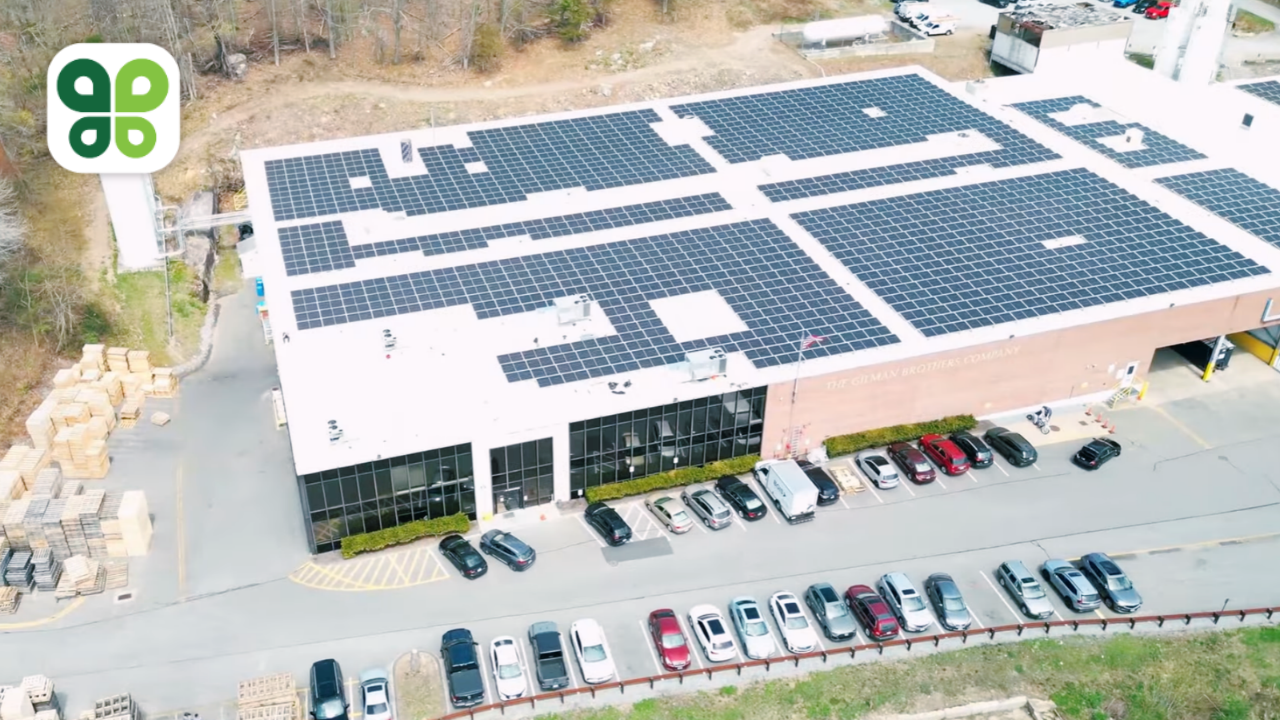
A microgrid can look different across applications: it can be as simple as rooftop solar panels connected to battery storage, or it can be a more complex system.
According to the U.S. Department of Energy, they are typically managed through a central controller that coordinates DERs, balances electrical loads, and is responsible for connection of the microgrid to the main grid.
What are the benefits of a microgrid?
The benefits of having a microgrid can include:
- Improved energy resilience
- The ability to operate during outages
- Demand response participation
- Improved sustainability
- Stabilized energy costs
How can a microgrid help municipalities?
Budderfly is helping municipalities across the U.S. access microgrid technology through our Modernizing American Cities program. One example is the city of Cadillac, Michigan, where we’ve partnered with Schneider Electric to deploy distributed energy resources across seven municipal facilities, including city hall and the wastewater treatment plant—with no upfront cost to the city as part of our Energy as a Service model. The project includes solar panels, battery energy storage systems, and microgrid capabilities designed to help critical municipal operations continue during grid outages. Learn more from Microgrid Knowledge.
Microgrids provide significant value to cities, towns, and other public entities by helping maintain essential services when the broader electrical grid experiences an outage.
For municipalities, a microgrid can:
Keep critical facilities operational during emergencies. Hospitals, police and fire stations, emergency shelters, water treatment plants, and communications centers can continue operating even when the main grid is down.
Improve disaster preparedness and recovery. Communities with microgrids can restore critical services more quickly following storms, wildfires, or other disruptive events.
Reduce strain on the electric grid. By generating and storing power locally, microgrids can help reduce peak demand and support overall grid reliability.
Support sustainability goals. Many microgrids incorporate renewable energy sources such as solar power, helping communities reduce emissions and advance clean energy initiatives.
Provide long-term cost stability. By integrating renewable energy and battery storage, municipalities can better manage energy expenses and reduce exposure to volatile utility rates.
As climate-related disruptions and energy demand continue to increase, microgrids are becoming an important tool for building stronger, more resilient communities.
What role do batteries play in a microgrid?
Battery energy storage systems are often considered the backbone of a modern microgrid. While distributed energy resources such as solar panels generate electricity, batteries store excess energy and make it available to distribute when it is needed most.
Batteries support microgrid operations in several ways:
Backup power during outages. When the primary grid goes offline, batteries can provide immediate power to critical loads.
Energy storage for renewable generation. Batteries can store any surplus energy generated by solar panels during the day so that it can be used at night or as backup power.
Load balancing and peak shaving. Batteries can be topped up during periods of lower energy demand then dispatch energy during periods of high demand. This helps reduce peak electricity consumption and lower energy costs.
Microgrid vs Traditional Grid
|
Traditional Grid |
Microgrid |
|
Centralized generation |
Local generation |
|
Dependent on utility |
Can operate independently |
|
Vulnerable to outages |
Can maintain power locally |
|
Limited storage |
Often includes batteries |
Building a More Resilient Energy Future
Microgrids enable communities to improve energy resilience, support sustainability goals, and maintain critical operations during unexpected disruptions. By combining local energy generation, intelligent controls, and battery storage, municipalities and organizations can reduce their dependence on the central grid while ensuring that essential services remain available when they are needed most.
As extreme weather events, aging infrastructure, and growing electricity demand place increasing pressure on the grid, microgrids are likely to play an even larger role in helping communities build a more reliable and resilient energy future.
To learn about Budderfly’s microgrid solutions, or if your municipality could be a good fit for Modernizing American Cities, contact us today.