

How High-Efficiency Fryers Help QSRs Reduce Oil, Energy, and Operating Costs
What if a restaurant could reduce oil consumption by 30%, cut energy usage by 30%, improve food quality, and avoid major upfront equipment costs?
This is exactly what high-efficiency commercial fryers deliver.
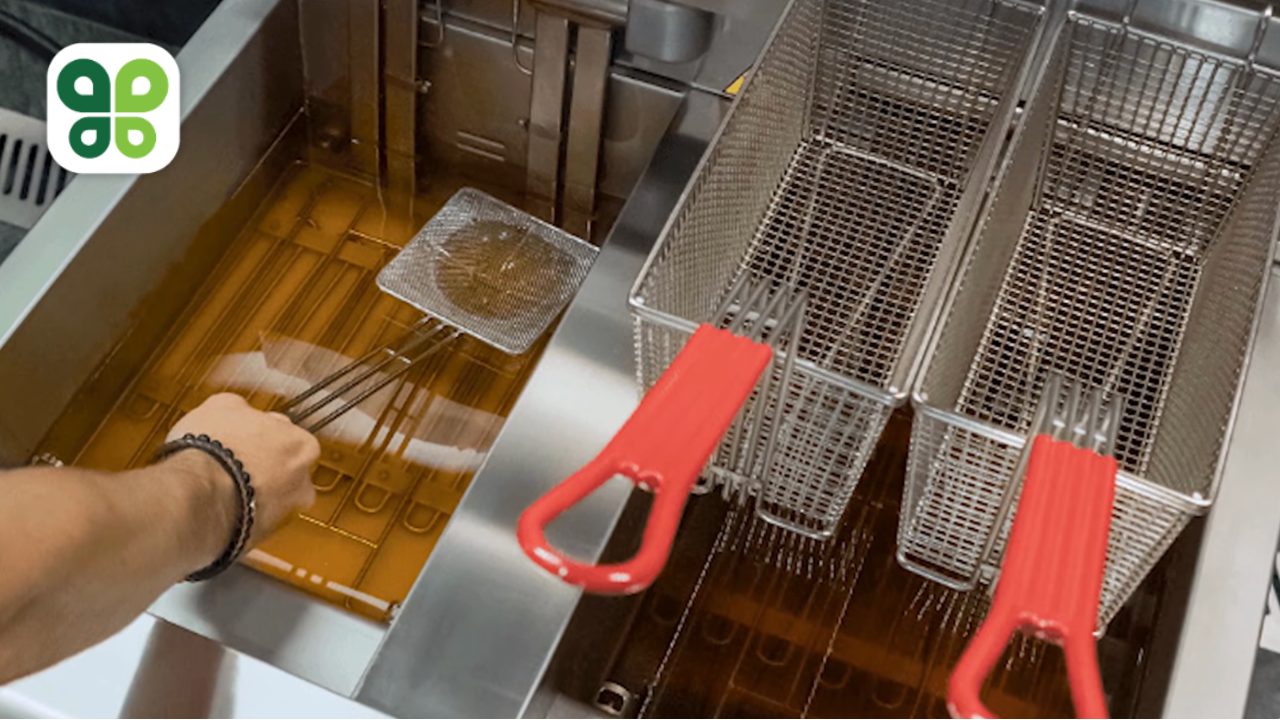
Watch our video on our recent pilot of new fryers with McDonald’s franchise operator the Singelyn Group.
Key Takeaways
- High-efficiency fryers can reduce oil consumption by up to 30–40%.
- The same fryers use 10–20% less energy than conventional units.
- Automated filtration extends oil life and reduces waste.
- In Budderfly's pilot with McDonald's franchise operator David Singelyn, advanced electric fryers reduced energy use by roughly 30%.
- Through Budderfly's Energy-as-a-Service model, restaurants can access upgraded equipment with no upfront capital expenditure.
What Is a High-Efficiency Fryer?
A high-efficiency fryer is a commercial fryer designed to reduce oil consumption and energy usage while maintaining food quality. Advanced features such as low-oil-volume vats, automatic filtration, and electric heating systems help restaurants use up to 30% less oil and energy than traditional fryers.
Why QSRs Need High Efficiency Fryers
There are more than 200,000 QSRs across the U.S, according to Statista, and they are huge consumers of cooking oil. Oil consumption can be 25,000 pounds per year, depending on factors such as number of fryers, type of food being served, and filtration practices. That means oil is a significant operating expense—on top of the energy costs accrued from operating fryers. Plus, they can generate a lot of waste once oil is used.
Most quick service restaurants have fryers that are aged anywhere between 10 to 15 years. Some fryers are even 25 years old. In that time, technology has evolved significantly, with low oil volume fryers that use considerably less oil and energy than legacy fryers.
High efficiency fryers reduce oil, energy, and waste to help lower operational costs and promote sustainability.
How Much Oil Can a High-Efficiency Fryer Save?
High-efficiency fryers can reduce cooking oil consumption by approximately 30% to 40% compared to traditional commercial fryers. Savings are achieved through lower oil-volume vats, more uniform heating, and automated filtration systems that extend oil life.
How Do High-Efficiency Fryers Reduce Waste?
Electric Heating Improves Oil Life and Energy Efficiency
Electric heating systems distribute heat more evenly throughout the oil vat. This reduces hot spots that burn oil or degrade oil quality, helping extend oil life while improving energy efficiency.
Low-Oil-Volume Vats Reduce Oil Consumption by Up to 40%
High efficiency commercial fryers have smaller oil vats. They use 30 to 40% less oil in capacity versus the old fryers, while performing the same frying function.
Automatic Intermittent Filtration Makes Oil Last Longer
Every 10 or 15 cycles or batches of frying, oil gets filtered automatically, which prolongs the life of the oil. This improves the performance of the fryer—and the quality of the fries. Plus, the automation means staff doesn’t have to worry about filtering the oil. You're using less, so it's costing less.
Energy Star-Certified Fryers Use Less Energy
The new fryers are all Energy Star certified, which means they use a minimum of 10 to 20% less energy compared to the old legacy fryers.
What We Learned Piloting New Fryers with McDonalds
David Singelyn is a franchise owner of 28 McDonald's restaurants in Western New York, and a longtime Budderfly partner. We partnered with him to pilot innovative new fryer equipment to see just how much it could save.
Our technicians replaced 20-year-old legacy fryers at a few locations with advanced low-oil-volume electric fryers, and the results showed measurable savings. In addition to the 30% lower oil capacity, the fryers used an average 30% less energy overall.
"High-efficiency fryers reduce oil consumption by about 30%. There's definitely a real business case." — David Singelyn, McDonald's Franchise Owner
How QSRs Get New Equipment with No Upfront Costs
A new fryer typically costs $10-15,000. For this pilot, though, the Singelyn Group didn’t have to pay for their high-efficiency equipment. Instead, Budderfly provided it to them as part of our energy-as-a-service model.
Budderfly works with thousands of QSRs across the country to help them access technology like high-efficiency HVACs, LED lighting, refrigeration controls, battery storage, and more to help reduce energy consumption. And we do it with no upfront cost required.
Plus, our partners get additional benefits: advanced monitoring systems, operational data and insights, ongoing proactive maintenance of equipment, and more. We’re always innovating and adding new solutions for our customers, too, as we pilot new technology like fryers, so we can find new ways for QSRs to save.
Want to learn more about high-efficiency fryers and other equipment that can save you money and improve operations? Contact one of our QSR experts today.