

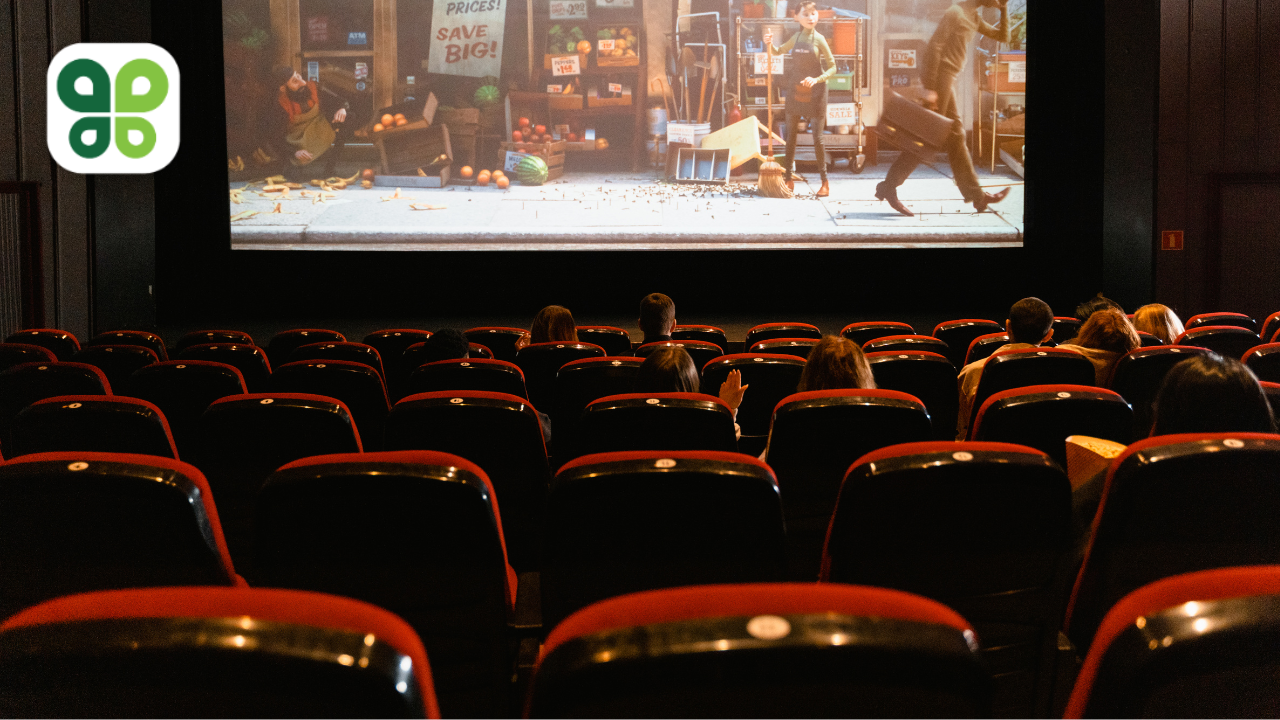
Why Movie Theaters Should Prioritize Energy Efficiency
As movie theaters across the U.S. face dwindling revenues and closures, energy efficiency is a smart way they can optimize operating costs and mitigate growing ticket prices.
Why Movie Theaters Are Struggling Financially
Movie theaters are a staple of American culture, but shifts in the economy and the entertainment industry have created a crisis for cinemas. It’s no secret that movie theaters were hit hard by the 2020 coronavirus pandemic, and they still haven’t fully recovered.
In 2025, the domestic box office generated $8.8 billion, more than 22% behind the pre-pandemic numbers of 2019. Worse yet, ticket sales are actually down 37% from 2019. The only reason revenue isn’t down by as high a percentage is because movie theaters have significantly raised movie ticket prices to make up lost profits.
Declining foot traffic has caused widespread shuttering of movie theaters across the U.S. The biggest wave of closures happened in 2020, of course, and the industry got largely back on track in 2022. Yet cinemas are still struggling. In February 2026, the world’s largest movie theater chain announced it will be shutting down more locations throughout the year to help its bottom line.
Why is energy efficiency important for movie theaters?
Movie theater energy efficiency is critical because HVAC systems run for long hours in large, low‑occupancy buildings. Partnering with an energy-as-a-service company like Budderfly to reduce energy waste lowers operating costs, stabilizes profit margins, and improves customer comfort—without raising ticket prices.
The Silent Cost Burden: Energy Waste in Movie Theaters
Running a movie theater is a tricky operation. Despite waning attendance, customers still expect a variety of different showtimes. And even if only two people buy tickets, the theater still must be heated or cooled as though there is a full house.
Though these days, most movie goers come at peak hours on the weekends, most theaters operate long hours every day of the week. With low occupancy in a 40,000- to 120,000-square-foot building, modern movie theaters experience a high level of energy waste.
Energy waste means a movie theater may be using more energy than it needs to run comfortably, and the result is inflated energy bills that cut into already precarious profit margins.
Heating, ventilation, and air conditioning (HVAC) is the biggest culprit when it comes to movie theater energy efficiency challenges. HVAC accounts for 70% of most cinemas’ energy spending. Most theaters are operating with outdated HVAC systems that blast cold air throughout the facility regardless of occupancy.
A Brief History of HVACs in Movie Theaters
HVAC and movie theaters have a long, intimate history. Cinemas were some of the first building fitted with air conditioners in the early 20th century, back when HVAC technology was just emerging. In fact, a big draw for movie goers was that during hot summer months they could go watch a film and sit for a couple of hours in a comfortable environment away from the scorching heat. It is said that this is the origin of the “summer blockbuster” phenomenon, as popular summer movies doubled as heat havens.
But now that most Americans have air conditioning at home and at work, the cool temperatures of a movie theater are less necessary. In fact, some theaters are often criticized for being over air conditioned. This not only negatively impacts the customer experience, it is often a sign of energy waste, too.
Thermostats are sometimes set low in anticipation of a full house, which would have more body heat and require more power to bring temperatures down. When audience capacity isn’t met, though, that cold blast of air is wasted, making patrons uncomfortable and utility bills needlessly high.
How Energy-Efficient HVAC Improves Theater Operations
Movie theater owners can solve a lot of problems by upgrading their HVACs to modern, more energy efficient models.
Energy efficient HVACs use significantly less energy to do the same amount of cooling or heating. So, for cinemas that need to keep systems running for extended hours, even when building occupancy is low, efficient HVACs can help mitigate energy costs and boost the bottom line.
The most advanced systems on the market provide even more benefits. A heat-pump-based ultra-high performance HVAC system brings in more fresh air, makes less noise, and minimizes drafty air. It also allows for fine-tuning of temperatures in different zones for temperature control across a building. Heat pumps naturally reduce humidity during the cooling process, too, helping maintain more stable indoor humidity levels. These systems maximize comfort for customers and employees while reducing energy consumption by up to 65%.
When paired with other energy saving solutions—such as LED lights, refrigeration enhancements, water conservation, and more—energy savings can be taken to the next level.
How can movie theaters reduce HVAC energy waste?
Movie theaters can reduce HVAC energy waste by replacing old, inefficient units with high-efficiency makes that can cool and heat the facility more powerfully while using less energy.
How Energy-as-a-Service Enables Movie Theater Energy Efficiency
With ticket sales trending downwards, money is tight for most movie theaters. Putting down thousands of dollars for energy-efficient upgrades is likely impossible, and it’s definitely not a priority.
That’s why more movie theater owners are choosing to partner with an energy-as-a-service (EaaS) company like Budderfly. The EaaS model eliminates the need for large amounts of upfront capital, as Budderfly provides movie theaters energy efficiency solutions with no upfront costs needed (for standard installations).
Budderfly procures equipment, manages the installation, and then provides ongoing monitoring and maintenance to help guarantee energy-saving outcomes for the long term. This allows movie theaters to access the energy reductions and customer comfort benefits of upgraded facilities, while keeping capital for other business priorities.
To get a breakdown of how much your movie theater could save by partnering with Budderfly, chat with one of our experts today.
Movie Theater Energy Efficiency FAQs
Q: What uses the most energy in a movie theater?
A: HVAC systems typically account for up to 70% of a movie theater’s energy use, especially in large facilities with fluctuating occupancy.
Q: How can movie theaters reduce energy costs without major upfront investment?
A: Energy‑as‑a‑service (EaaS) models allow theaters to upgrade HVAC and lighting systems with no upfront capital, paying instead through shared energy savings.
Q: Do energy-efficient HVAC systems affect customer comfort?
A: Yes—in a positive way. Modern systems provide quieter operation, better humidity control, and more consistent temperatures across auditoriums.